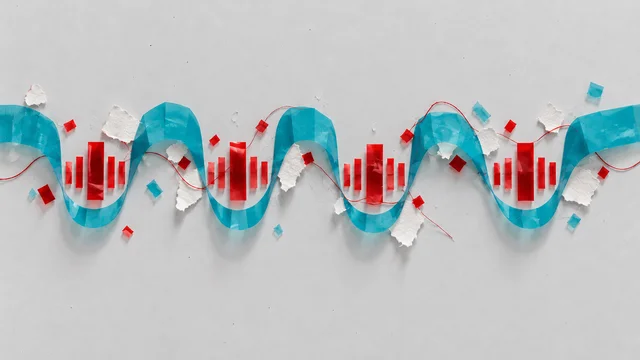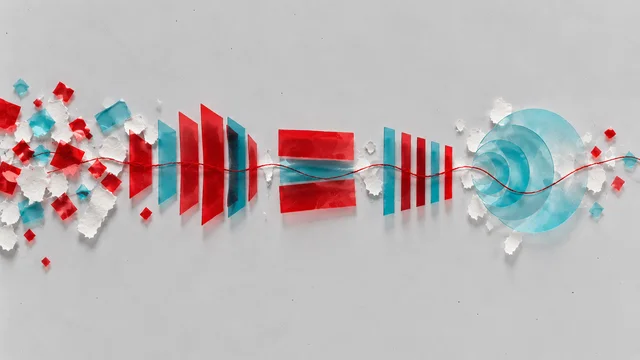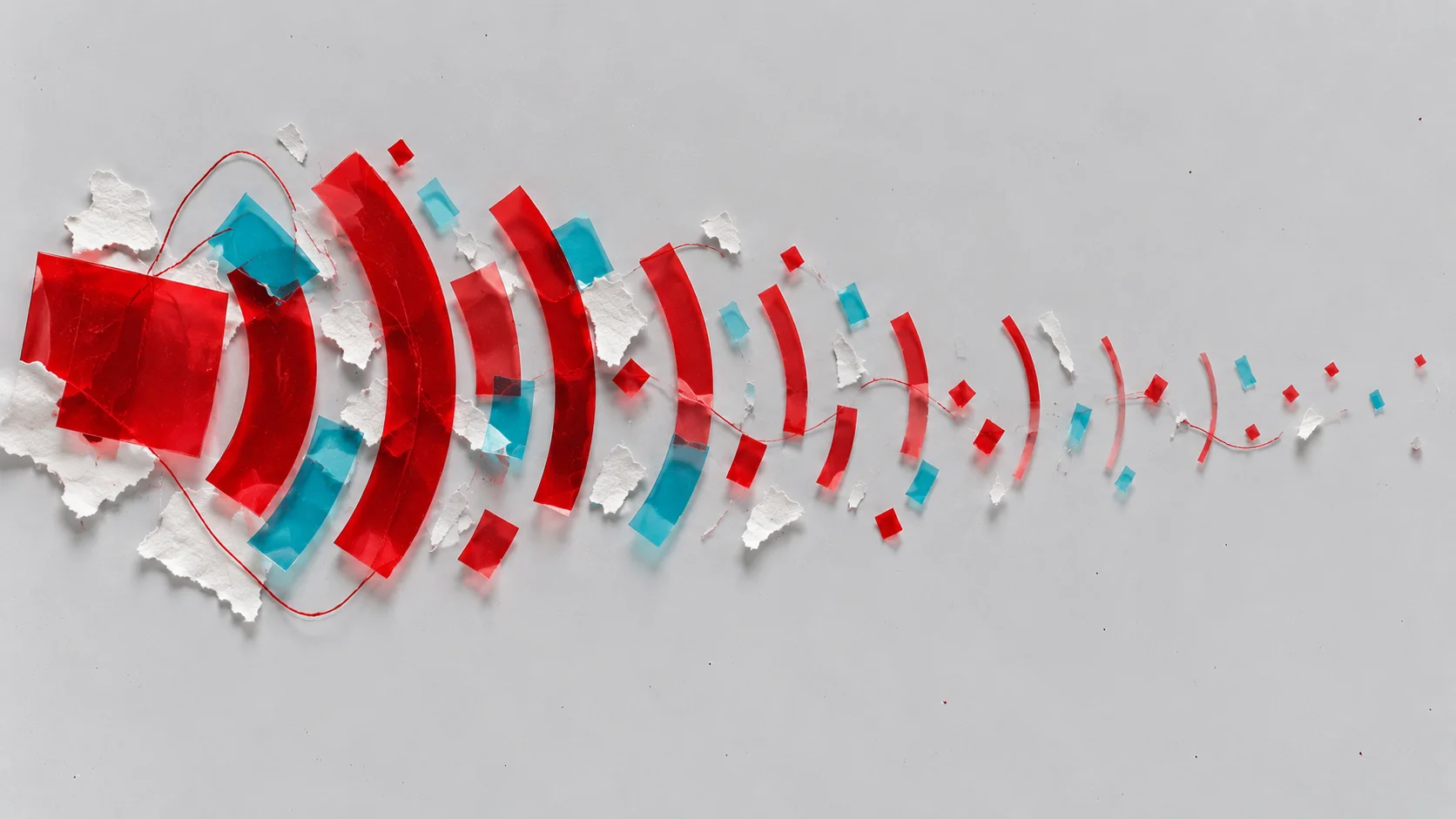
Press play below. One hit goes in, and a trail of echoes comes out, each one a little darker and quieter than the last, until it melts into the background. In 1970s Jamaica, dub engineers like King Tubby and Lee "Scratch" Perry played the mixing desk like an instrument. They'd send a single word or a single snare hit into a tape echo for a moment, then pull the send back down, so that one sound hung in the air and dissolved while the band carried on. That move is a throw.
Play the single hit, then the drum loop, then the voice. Why does the echo sound magical on one hit and messy on everything?
The finished throw
Before you play the loop and the voice: if every hit goes into the echo, will you hear one dramatic accent, or something else?
1. Throw one thing, not everything
Play the single hit. You hear a clear event and its echo, with space around it. Now switch to the drum loop. Every hit spawns its own trail, the trails overlap and the groove turns to mush. The voice does the same. The magic of the throw is in what you don't send.
On a mixing desk, a throw is a send: a second path that carries a copy of the sound to the echo, with its own volume knob. You open it for one word, then close it.
A throw is a send you open for one word
Why: Signal flow explains sends, returns and why choosing what goes in matters more than the output blend.
2. Put the repeats on the beat
The echo here repeats every 375 milliseconds. At 120 BPM, that's a dotted eighth note: a quarter note is 60,000 ÷ 120 = 500 ms, and three quarters of that is 375. A dotted-eighth echo lands between the beats, so the repeats bounce against the groove instead of doubling it. That off-kilter bounce is a big part of the dub feel.
For another tempo, do the same sum: 60,000 ÷ BPM × 0.75. Now your echoes swing with the track, whatever its speed.
Why: Delay and echo relates repeat times to note values.
3. Decide how long the trail lives
Back on the single hit, move Feedback. Feedback sends part of each echo back into the delay, so it repeats again. Low, and you get two or three repeats. High, and the trail hangs for seconds. Set it so the last audible echo dies just before the next phrase arrives. Now the throw fills a gap instead of fighting what comes next.
Every repeat a little quieter
Why: Delay and echo shows how feedback builds the series.
4. Age the repeats
Now move Age. It darkens the echo a little more on every trip around the loop, so the later repeats lose their top end. That's what tape echo did naturally: each pass through the machine dulled the sound a bit more. Push Age up and the trail recedes into the distance, as if it's walking away from you. Now the echo sounds like dub instead of a digital copy machine.
Why: Filters explains why losing high frequencies makes a sound feel further away.
5. Sit it under the next phrase
Mix sets how loud the echo is against the original. In a real song, the throw should be noticeable but not louder than the next line of the vocal. Bring Mix down until the first echo is clearly quieter than the hit itself. Now the throw is an accent, not a takeover.
Why: Form and arrangement uses accents like this to mark the end of a phrase or a section.
Keep it
Note your Feedback and Age settings with the tempo they suit. In your next mix, put an echo on a send with these settings, set it 100% wet, and open the send for the last word of a vocal line or the final snare before a drop. It takes ten seconds once you have the settings, and it's one of the oldest tricks for making a mix sound alive.
Quick check
- You put the echo directly on the vocal track and the whole verse turns cloudy. What happened? Every word went into the delay. A throw needs a send that's open for one word only, or automation that turns the echo up for a moment.
- Your echoes sound busy against the drums even on a single word. What do you try? Check the time against the tempo; an echo slightly off the grid clashes with every hit. A dotted eighth sits between beats; a quarter note doubles them. Shortening Feedback helps too.
- Why do darker repeats sound further away? In real spaces, high frequencies fade faster with distance and in reflections. Your ear reads a duller sound as a more distant one, so a trail that darkens sounds like it's moving away.
Next steps
- Use it: Stems to remix. Throw a word from a vocal stem in your own remix.
- Sideways: Reverb. An echo is a few reflections you can count; reverb is thousands you can't.