Browser development
Effects, synthesizers and MIDI tools start as playable modules. The browser preview brings sound, interface and MIDI controllers together, with shareable demos for early feedback.
Maru is a cross-platform audio engine for the web, native operating systems and physical hardware.
One development workflow for effects, synthesizers and MIDI controllers—from browser prototypes to compiled code on Raspberry Pi and dedicated microcontrollers.
Hardware development preview
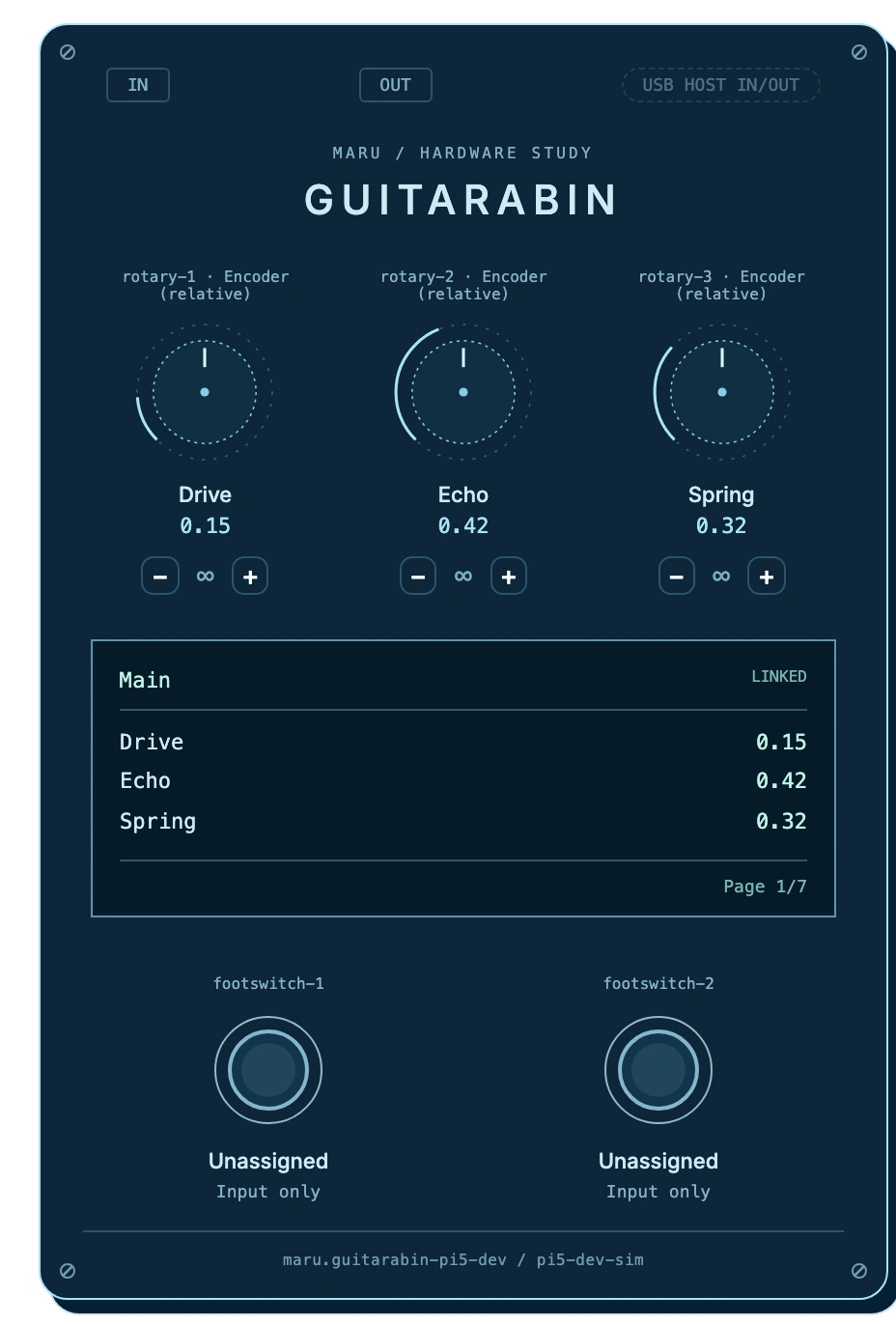
From Linux-based instruments to compact embedded designs, board profiles connect the Engine to different processors, audio connections and physical controls.
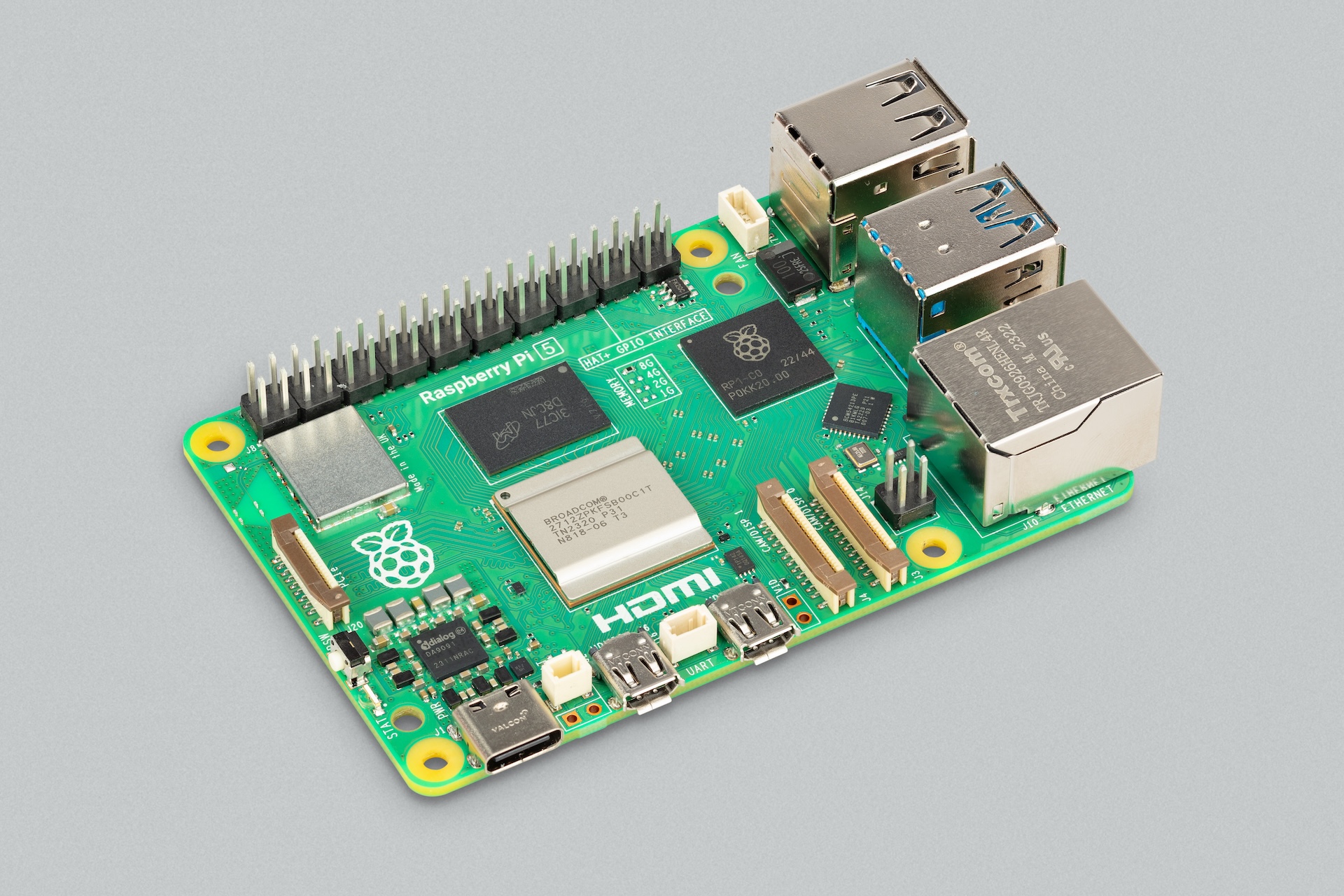
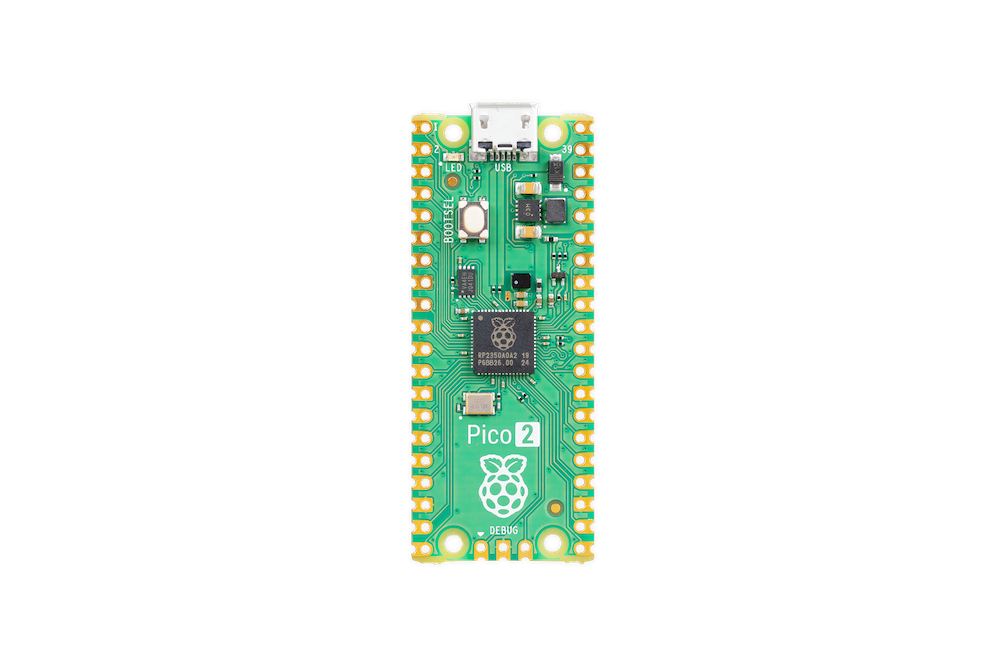
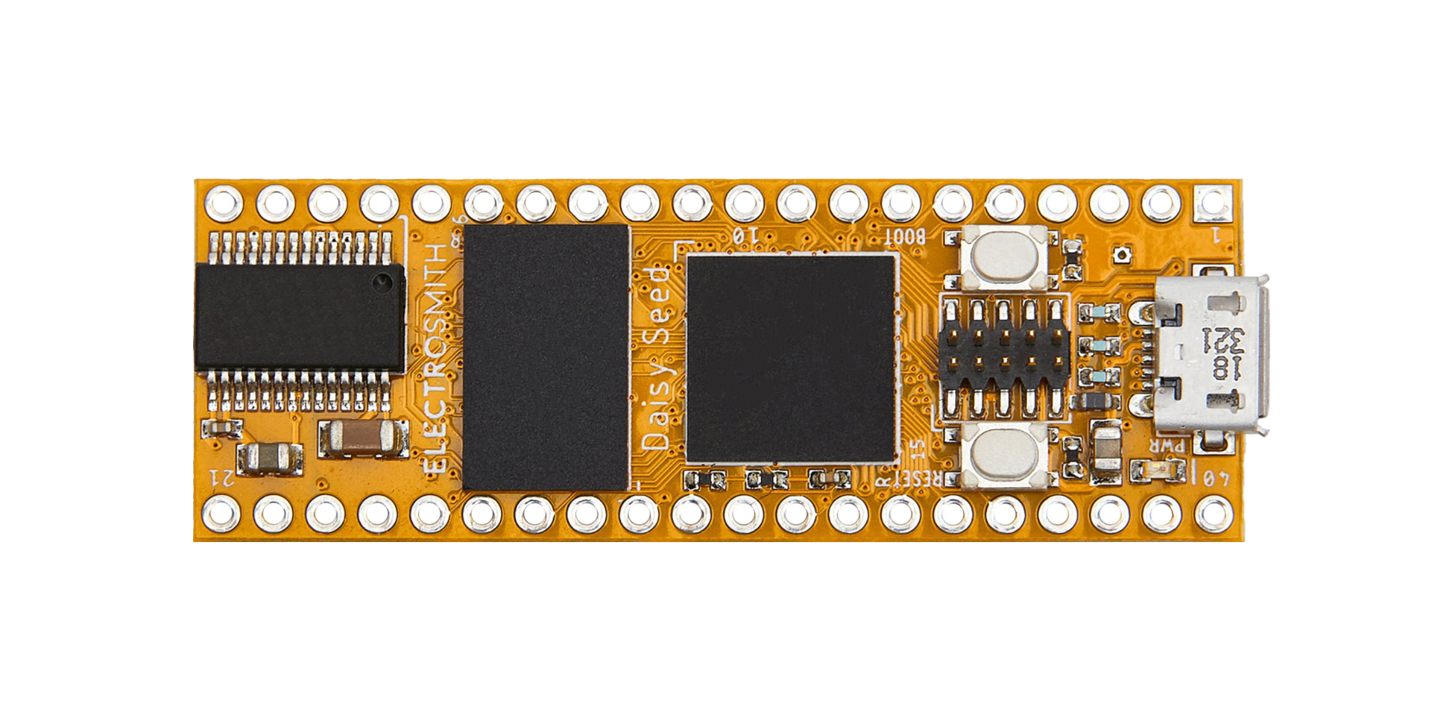
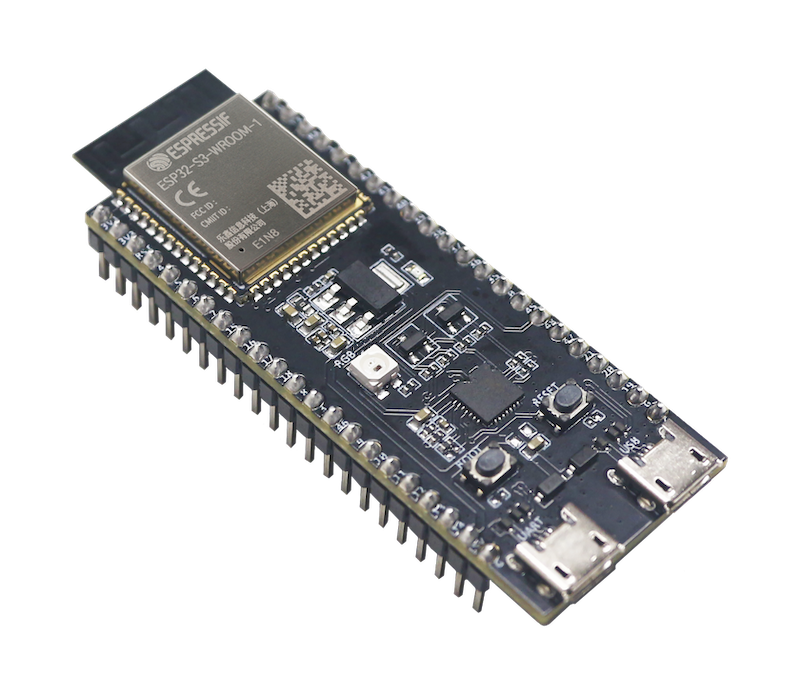
The workbench brings Raspberry Pi 5, Pico 2, Daisy Seed and ESP32-S3 into a common build and evaluation workflow. Hardware selection follows the instrument’s inputs, memory and processing needs.
DIY and semi-DIY hardware
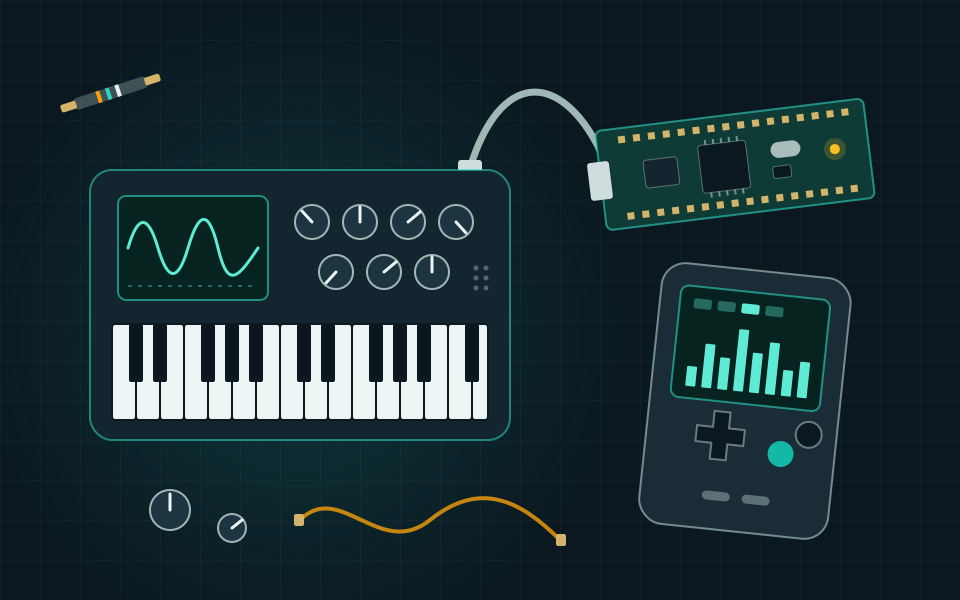
Pocket synthesizers that cost around US$80 now ship with update paths open enough for community firmware. Open audio boards such as Daisy, RP2040-class microcontrollers and development handhelds with a finished case put a playable instrument within reach of a small project.
Maru’s board profiles target open development boards today. Cased consumer devices are research, not supported targets.
Effects, synthesizers and MIDI tools start as playable modules. The browser preview brings sound, interface and MIDI controllers together, with shareable demos for early feedback.
A board profile defines the connections and controls. The workbench maps knobs, encoders and switches to module parameters and simulates the layout before assembly.
The same source compiles for the selected target. The local workbench builds and emulates the artifact, then invokes the board’s install or flash tooling for physical testing.
Audio and MIDI routing, parameter ranges and physical control mappings are configured together. The browser interface and hardware share the same parameter definitions, keeping the instrument consistent across hosts.
This shared foundation supports custom studio tools, signature pedals and commercial instruments, with less software to rebuild for each format.
Projects, mappings and diagnostic reports are inspectable files. Agents can edit configurations, run checks and interpret results through the same tools as the workbench.
Profiles with wiring definitions can export pin tables, connection drawings and a Maru JSON connection list. Electrical schematics and fabrication files still need a qualified board design. Board adapters handle platform details so most development can stay focused on musical behavior and interaction.
The workbench brings signal checks, control state and performance evidence into one interface. Profiling helps identify the functions and parameter combinations that cost the most, with measurement detail depending on the target.
Recordings and signal measurements expose clipping, silence and unexpected output. Reference comparisons keep sound quality visible across revisions.
Control sweeps and sustained playback reveal changes over time: level jumps, feedback buildup, stuck notes and interactions that a default preset can miss.
Block timing, memory reports and available target telemetry help isolate expensive processing. Comparisons across functions, configurations and boards show where the budget goes.
Run history connects recordings and measurements to source and build versions. Results from earlier source are marked outdated, with host, emulator and device evidence identified separately.
Combined delay buffers can exceed a board’s memory before playback starts. High feedback and long decay can also build up energy and cause clipping. Memory reports and signal measurements expose both constraints.
Dense chords and long releases keep more voices active. Timing comparisons reveal how that load grows and whether the busiest audio block still meets its deadline.
Hardware optimization is an active part of the Engine roadmap. The aim is faster compiled processing while preserving a high-level workflow for sound design, control mapping and testing.