Make your patch do what you mean
Following a patch gets you started. Understanding why it works lets you change it. Connect the sound, note shape and movement so you can trace a problem and make one useful adjustment.
6 lessons · Free guides · Learn at your own pace
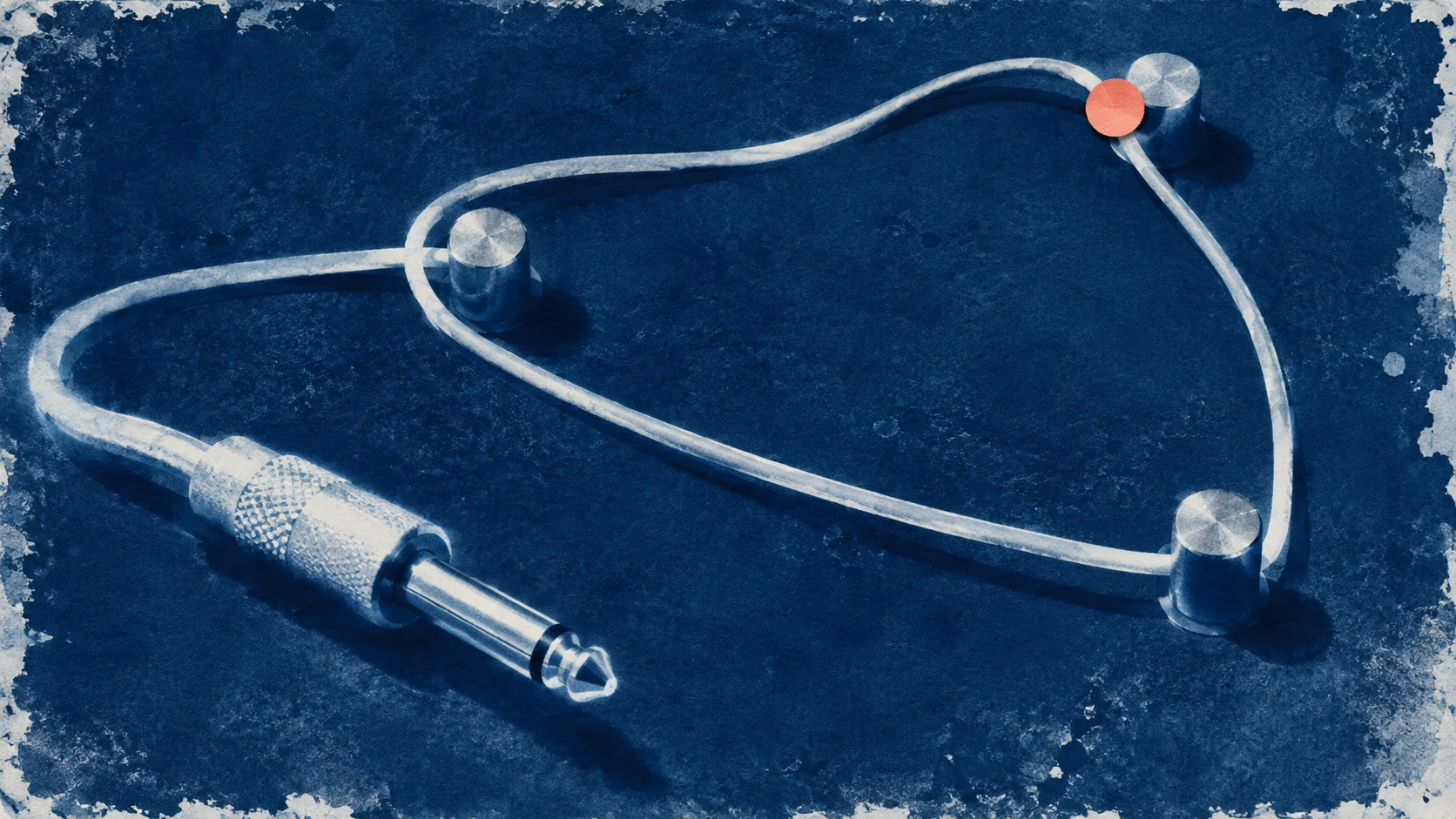
Your lessons
Use these sound principles alongside your patching system. Hardware CV, gate and clock conventions need that system's own documentation.
Follow the sound
A source and a shaped voice give you a map of the audible path. Start here when you need to locate what is making the sound.
Synthesis and sound design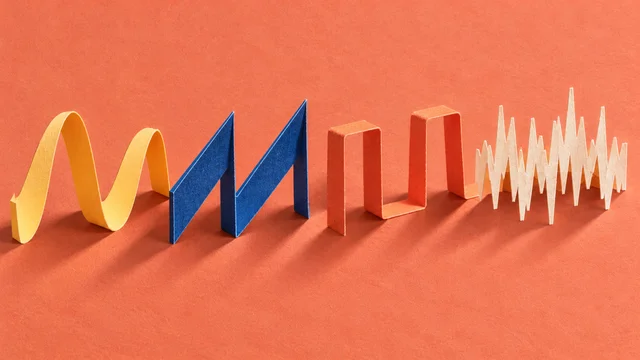

Give each note a shape
An envelope explains why a tone starts, holds and fades. Use that idea to distinguish note shape from tone color.
Synthesis and sound design
Give movement a purpose
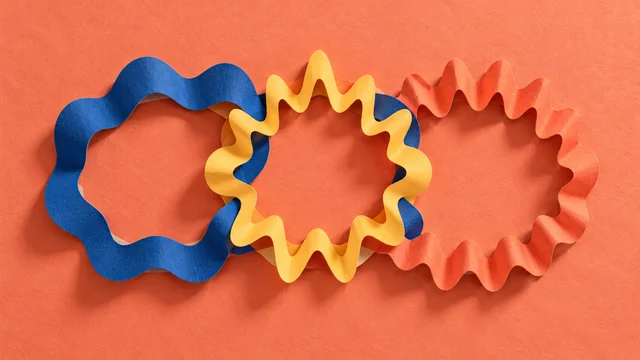
Rate and depth serve different musical choices. Keep one destination in a useful range before adding another connection.
Synthesis and sound design
Turn repetition into a pattern
Sequences organize changes over time. Explore repetition and variation without confusing musical ideas with your system’s clock wiring.
Beats, MIDI and performance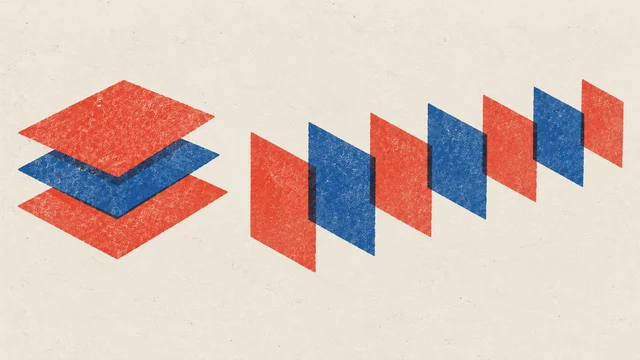
What you can put into practice
Explain a simple voice and make one intentional change to its movement.
Understand the patch you copied
Connect each audible change to a source, a note shape or a movement, giving you a map to work from.
Change one thing with a purpose
Choose a destination and a useful movement range before adding more connections.
Carry the idea into another patch
Learn why the sound behaves as it does, so the next patch can build on a musical idea rather than a memorized layout.
From a continuous tone to a shaped note
Trace the source, filter and amplitude shape of a simple voice, then add slow movement with a clear purpose.
1Trace the sound source
Start with a simple voice. Follow the sound from its source and identify the point that changes its tone.
Subtractive synthesis2Find what shapes the note
Compare a short note and a sustained note. Identify which envelope change explains the difference you hear.
Envelopes3Add one movement
Choose one modulation destination. Begin with a small range and compare slow and faster movement before adding another connection.
LFOs and modulation
Listen for this: The original note should remain recognizable while one quality moves. If the movement overwhelms the note, reduce its range and listen again.
Take the idea further
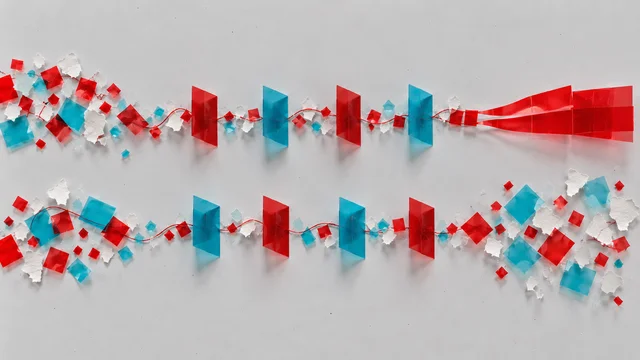
Signal flow and effect order
Hear why changing the order of processing changes the result, then use that reasoning when following a signal path.
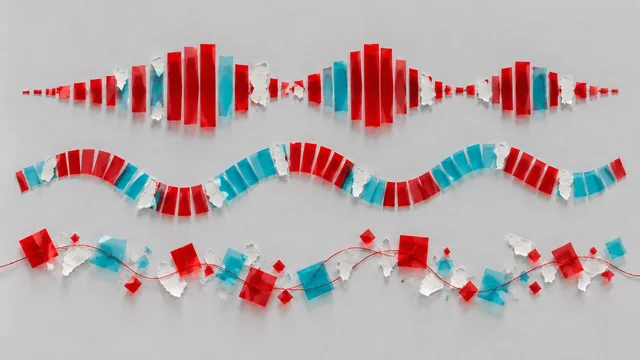
Tremolo, vibrato and auto-pan
Compare movement in level, pitch and position to choose a destination that serves the phrase.
Algorithmic and live-coded patterns
Explore how musical rules produce variation. This is an optional coding continuation after the sequencing ideas.
Common questions
- Does this apply to my hardware system?
- The sound principles apply across systems. Use your system’s documentation for its CV ranges, gate and clock conventions, and physical connections.
- Do I need to learn every kind of synthesis?
- Start with the simple voice in this path. Understand its source, note shape and one movement before exploring another synthesis method.
Read the guides for free, without an account. Choose the lessons you need, try the ideas in your own music and return whenever you get stuck.
Start learning for free